
Overtourism: The Places Struggling and What to Choose Instead
Have you ever arrived at a famous destination only to find it packed wall-to-wall with people? That moment captures the heart of overtourism, a growing issue that affects travelers, locals, and the places we love. As overtourism spreads across major cities, fragile islands, and even once-quiet villages, the travel experience begins to shift. Instead of charm and discovery, visitors face long lines, stressed environments, and a sense that the magic has been diluted.
This matters because every traveler wants a trip that feels meaningful, not exhausting. Communities want to protect their culture and daily life. And destinations want to survive long enough for future generations to enjoy. Understanding overtourism helps you make better choices, find smarter alternatives, and avoid the frustration that comes with overcrowded hotspots. It also opens the door to more sustainable travel habits, a topic that’s becoming impossible to ignore.
In this article, we will look at the places now appearing on “do not visit” lists, why they’re struggling, and how you can plan a trip that feels effortless and responsible at the same time.

Chapter 1: Understanding Overtourism and Why It Matters More Than Ever
If you’ve ever visited a city only to find it overwhelmed by crowds, inflated prices, and locals who seem exhausted by the constant flow of visitors, you’ve already experienced overtourism. This growing travel challenge is no longer limited to Europe’s major capitals. According to the UN World Tourism Organization (UNWTO), international arrivals reached 1.29 billion in 2024, pushing many destinations beyond their sustainable carrying capacity. Statista reports a similar upward curve, showing that tourism numbers are projected to exceed pre-pandemic levels by 2026.
That means destinations are struggling not just with tourist volume, but with the strain it places on the environment, public services, and residents’ daily lives. Before we explore which places have landed on the “do not visit” lists, it’s important to understand why overtourism has become such a global concern and what it means for travelers planning their next trip.
To help plan your travel smarter, explore our 2025 Travel Trends Guide →
The Environmental Impact of Overtourism
Tourism can be a positive economic engine, but when numbers spike too quickly, nature takes the hit. Fragile beaches erode under foot traffic. Corals bleach as thousands of snorkelers stir up sediments. Alpine trails become worn beyond repair.
Real examples include:
-
Maya Bay, Thailand, which had to close for several years to restore coral.
-
Venice, where cruise ship emissions raised major environmental alarms.
A Harvard Business Review analysis highlights that the ecological burden of tourism tends to grow faster than tourism revenue itself. In other words, more visitors doesn’t always mean more benefits for locals.
If you’re seeking eco-friendly alternatives, check out our Hidden Southeast Asian Paradises →
The Social and Cultural Pressure on Local Communities
The social consequences of overtourism are often the most visible. When daily life becomes difficult for residents because buses, markets, and neighborhood streets are taken over by tourists, community frustration rises.
Common examples include:
-
Housing shortages due to vacation rentals pushing out locals.
-
Public transportation overcrowding.
-
Rising noise complaints and strain on essential services.
If you’d rather visit quieter cultural destinations, our Europe “beyond Paris” guide is a great starting point → Hidden Gems in Europe →
How Overtourism Affects Your Own Travel Experience
Ironically, overtourism doesn’t just affect the places—it affects travelers too. When a destination becomes overcrowded, the visitor experience is often disappointing:
-
Long queues for attractions
-
Inflated hotel prices
-
Difficulty booking transportation
-
Overbooked tours
-
“Instagram vs reality” frustration
Statista’s 2025 travel satisfaction data shows overcrowding is now a top reason people choose travel dupes—similar but less crowded alternatives.
Find the best dupes here → Travel Dupes Guide →
Want to save money while avoiding crowds?
Check the best flight deals here →
See pricing and book your tickets instantly.
Technology’s Role in the Overtourism Surge
Social media accelerates the rise of viral destinations. A single TikTok video showcasing an unknown village can trigger tens of thousands of visits in months. Digital nomad culture also contributes, adding pressure to cities like Lisbon and Bali.
To stay connected without overloading local telecom networks, use an eSIM, a modern and affordable solution:
Discover this affordable eSIM service →
Or explore our detailed comparison here → eSIM Service Guide →
How Travelers Can Reduce Their Own Overtourism Footprint
Most travelers don’t intend to cause harm, but small choices create big impact.
1. Travel off-season
Less crowding, lower prices, better experiences.
2. Choose alternative routes
Instead of Santorini → Paros
Instead of Bali → Lombok
Instead of Paris → Strasbourg or Annecy
3. Support small local businesses
Use local guides, guesthouses, restaurants.
Recommended tool for authentic tours →
Book local tours here →
Internal guide: Tours & Activities →
4. Use sustainable transportation
Book airport transfers or shared rides.
Affordable taxi and transfer options →
Why Understanding Overtourism Helps You Travel Smarter
Understanding overtourism helps you:
-
Save money
-
Avoid frustration
-
Find underrated destinations
-
Travel more responsibly
Chapter 2: Popular Destinations Now Appearing on Global “Do Not Visit” Lists
Every year, more destinations begin to appear on global “do not visit” lists. While this may sound dramatic, these warnings are not meant to scare travelers. They are meant to help protect both the destination and the visitor experience. It’s a sign of how serious overtourism has become in world-famous hotspots. In this chapter, we explore the places most affected, unpack why they are struggling, and look at smarter, less crowded alternatives.
European Cities Facing Severe Overtourism Pressure
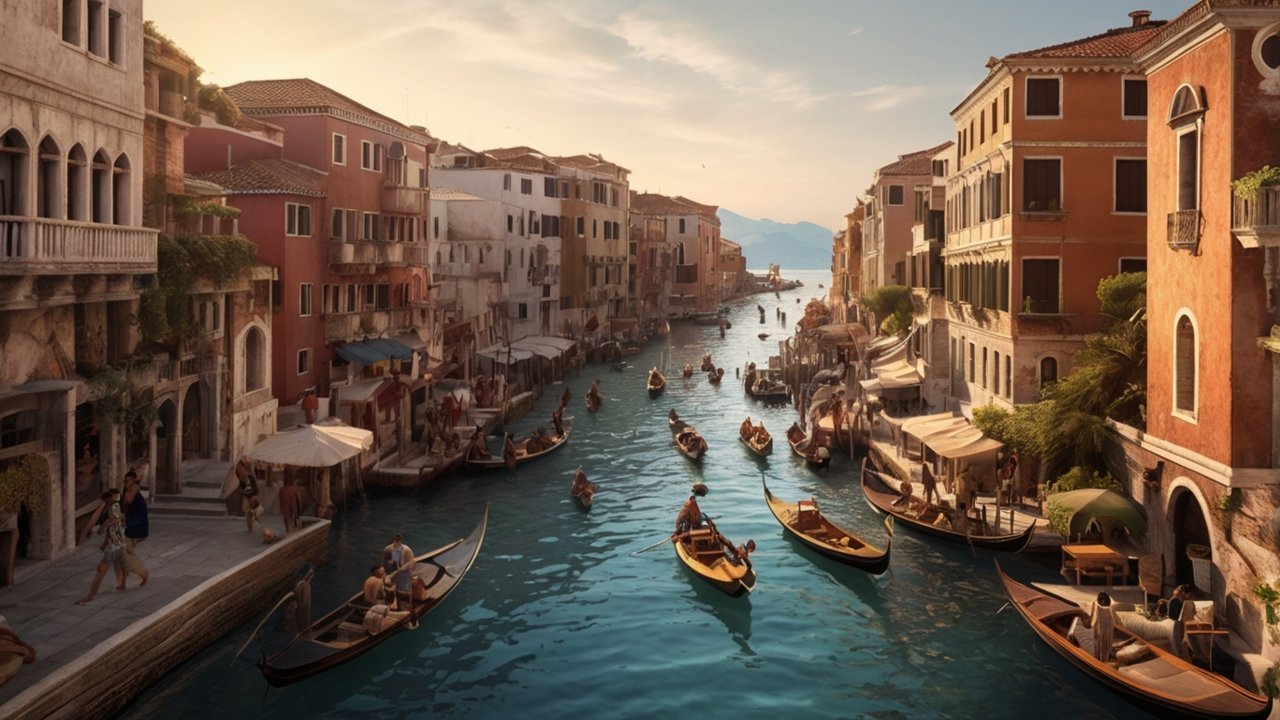
Europe remains the region most associated with overtourism hotspots. Cities such as Venice, Barcelona, Amsterdam, and Dubrovnik now face overwhelming pressure from cruise ships, day trippers, and viral social media attention.
Why These Cities Are Struggling
Several issues play a role:
-
Historic centers are physically small, often unable to handle the daily visitor numbers.
-
Cruise tourism adds high volume but low spending, creating imbalance.
-
Short-term rental platforms push locals out, creating housing crises.
-
Social media trends turn narrow alleys into photo queues.
A recent Statista report shows that Venice alone receives over 20 million visitors per year, despite having fewer than 50,000 residents in its historic core. This mismatch fuels tensions, price inflation, and lifestyle disruption.
What This Means for Travelers
When such cities appear on “do not visit” lists, it’s not a punishment. It’s a reminder that you may face:
-
Long lines for every landmark
-
High accommodation costs
-
Limited seating in public transport
-
Restricted visitor hours or new fees
If you still want a European trip without the crowd fatigue, explore our curated list of quieter cultural towns here →
Hidden Gems in Europe →
Island Paradises Under Threat: The Ecological Cost
Some of the hardest-hit locations are tropical islands and coastal gems. Places like Bali, Phuket, Santorini, Boracay, Capri, and Palawan face millions of annual arrivals while relying on sensitive ecosystems that cannot regenerate fast enough.
Environmental Signs of Overload
Environmental scientists often cite islands as prime examples of what happens when tourism exceeds carrying capacity:
-
Beach erosion accelerates.
-
Coral reefs collapse due to sunscreen, anchors, and human contact.
-
Waste management becomes unmanageable.
-
Freshwater supplies shrink during peak season.
-
Marine species lose habitat due to overcrowded boat routes.
Bali receives upward of 6 million visitors a year, putting stress on water usage and waste systems. In the Philippines, Boracay had to shut down for cleanup, a strong warning to other island destinations.
How Travelers Can Make Better Choices
Many islands are now requesting that tourists choose secondary beaches and lesser-known islands to balance tourism distribution.
Consider starting with our alternative Southeast Asia picks:
Hidden Paradises of Southeast Asia →
Want a smooth and eco-conscious arrival?
Book a reliable airport transfer here →
A simple step that reduces local congestion and supports sustainable travel.
Viral Destinations “Breaking” Under Online Fame
Not all overtourism comes from traditional travel routes. In recent years, many destinations have skyrocketed into fame because of a single viral video or trending social media moment.
Examples include:
-
Hallstatt, Austria, overwhelmed after being compared to “Frozen.”
-
Nusa Penida, which went viral for its Kelingking Beach viewpoint.
-
Chefchaouen, Morocco, flooded by Instagram users chasing perfect blue-wall photos.
-
A small Japanese village (Kyoto’s Gion) crowded by geisha-hunting tourists.
This sudden fame often overwhelms local communities that were never prepared for such explosive growth.
Why Viral Fame Is a Problem
-
Local infrastructure is designed for residents, not millions of tourists.
-
Small destinations lack the capacity to manage safety, sanitation, or transport.
-
Residents lose privacy and cultural identity becomes commodified.
-
The visitor experience declines rapidly—“Instagram vs reality” becomes painfully real.
If you prefer peace over crowds, explore our slow travel recommendations →
Slow Travel Asia Guide →
How “Do Not Visit” Lists Are Created (And What They Really Mean)
Lists produced by organizations such as Fodor’s, sustainability researchers, and local tourism boards are not meant to ban travel. Instead, they act as a warning system highlighting that certain destinations need time to recover or rebalance.
Criteria Often Used
-
Overcrowding based on visitor-per-resident ratios
-
Environmental degradation indicators
-
Rising anti-tourism sentiment among locals
-
Infrastructure strain (like sewage, transport, or energy use)
-
Risk of cultural erasure or loss of authenticity
Knowing this helps travelers make smarter decisions, especially during peak seasons.
Looking for safe and responsible alternatives?
Check our “dupes list” →
Travel Dupes: Smarter Crowd-Free Alternatives →
Smarter Travel Choices for 2025 and Beyond
If your dream destination shows up on a “do not visit” list, you have options:
1. Visit Off-Season
Same beauty, fewer crowds, lower prices.
2. Stay Outside the City Center
Support smaller communities while enjoying quieter nights.
3. Choose Regulated Local Tours
Book accredited tours that support local economies:
Check recommended tours here →
4. Use an eSIM Instead of Local Networks
Reduces strain on local connectivity—especially on small islands.
Try this affordable eSIM →
Or read our guide →
eSIM Service Guide →

Chapter 3: Smarter Alternative Destinations for Travelers Who Want to Avoid Overtourism
With so many places under pressure from overtourism, travelers are starting to rethink where and how they travel. The good news is that you don’t need to give up iconic views, rich culture, or breathtaking landscapes. In fact, choosing alternative destinations often leads to better experiences, lower costs, and meaningful interactions with locals. This chapter explores smarter “travel dupes,” peaceful cities, and nature escapes that offer the same appeal as crowded hotspots—without the stress.
Crowd-Free Alternatives to Europe’s Most Overvisited Cities
Many travelers love the charm of cities like Paris, Amsterdam, and Florence, but these destinations are often overwhelmed by peak-season crowds. According to Statista’s tourism density rankings, European capitals remain the most saturated travel zones. Fortunately, there are equally magical destinations nearby—just without the lines and inflated prices.
1. Instead of Paris → Strasbourg or Annecy
These cities offer French architecture, riverside views, and charming old towns without the congestion. Strasbourg’s half-timbered houses and Annecy’s lakeside serenity create a more relaxing cultural trip.
Explore more underrated European towns here →
Hidden Gems in Europe →
2. Instead of Amsterdam → Utrecht
Utrecht has the same canal-side cafés and biking culture but is far less commercialized. The old town is spacious, calmer, and ideal for slow exploration.
3. Instead of Florence → Bologna
Bologna offers Renaissance architecture, medieval towers, and Italy’s best food scene—without the tourist overflow found in Florence.
If you want a stress-free transfer from any European airport, try this recommended service →
Book a reliable airport ride →
Alternative Islands and Beaches That Preserve Nature and Peace
Popular islands like Bali, Phuket, and Santorini are struggling under the effects of overtourism, especially with waste management, coral degradation, and water shortages. A UNWTO sustainability study notes that islands face the world’s highest ecological vulnerability per visitor.
Here are nature-friendly alternatives:
1. Instead of Bali → Lombok or Flores
These Indonesian islands offer clear waters, waterfalls, mountain hikes, and authentic culture with far fewer crowds. Flores, in particular, is growing as a slow-travel destination.
2. Instead of Santorini → Paros or Naxos
These Greek islands retain the Cycladic aesthetic—white houses, blue domes—without mass tourism. They’re also known for locally owned restaurants and peaceful beaches.
3. Instead of Phuket → Krabi or Trang
These southern Thailand destinations offer limestone cliffs, calm bays, and quiet islands like Koh Muk and Koh Libong.
Discover more Southeast Asia alternatives here →
Hidden Paradises of Southeast Asia →
To stay connected on remote islands, an eSIM is often the best solution:
Get an affordable eSIM here →
Peaceful Alternatives to Social Media Viral Spots
Some of the world’s most “Instagram-famous” locations—such as Hallstatt, Nusa Penida, and Chefchaouen—have become unbearable due to viral fame. Local authorities in Austria and Japan have even imposed visitor caps or fines to combat overcrowding.
Travelers looking for authentic charm without the camera mobs can consider:
1. Instead of Hallstatt → St. Gilgen or Gosau
Both towns offer Alpine scenery, lakes, and wooden chalets with fewer tour buses and more genuine local culture.
2. Instead of Nusa Penida → Gili Islands
These islands offer crystal-clear water and a laid-back vibe—no cliffside congestion or hour-long photo lines.
3. Instead of Chefchaouen → Asilah
A relaxed Moroccan coastal town with white-blue old streets and fewer tourists.
If you enjoy slow, meaningful travel, explore our full guide here →
Slow Travel Asia →
Destinations That Offer the Same Vibes but Better Experiences
The rise of “travel dupes” is one of the biggest trends in 2025. According to a report cited by HBR, value-seeking travelers increasingly choose alternative destinations because they “deliver 90 percent of the experience at 50 percent of the stress.”
Why travel dupes work:
-
Lower costs for flights and hotels
-
More space and freedom
-
Less pressure on ecosystems
-
Better interaction with locals
-
Easier last-minute planning
Explore our full dupe list here →
Travel Dupes: Crowd-Free Destination Alternatives →
Looking for packaged activities or guided experiences?
Find recommended local tours here →
How to Choose Better Alternatives on Your Own
Even if your dream destination doesn’t have an obvious dupe, there are proven ways to find a less crowded version of nearly any place:
1. Look for Similar Geography
If you want fjords, consider Norway’s lesser-known regions.
Explore our guide here →
Best Countries to Visit 2025: Norway Edition →
2. Choose Cities With Strong Rail Access
Rail-connected towns usually offer culture without pressure.
3. Search for “Second Cities”
Examples: Valencia instead of Barcelona, Osaka instead of Tokyo.
4. Check Sustainability Labels
Many destinations now publish visitor-capacity reports and eco-ratings.
Need help comparing options?
Check the best flight and hotel bundle deals here →
Chapter 4: Why Some Destinations Struggle With Overtourism While Others Thrive
Understanding why certain destinations collapse under overtourism while others continue to flourish is key to making smarter travel decisions. Two places can have similar visitor numbers, yet one may face environmental decline, community backlash, and infrastructure stress, while the other maintains balance and visitor satisfaction. In this chapter, we look at what separates sustainable destinations from overwhelmed ones—and how travelers can use this insight to shape responsible, rewarding trips.
Infrastructure: The Foundation That Determines a Destination’s Capacity
Some destinations are simply not built to handle millions of visitors.
The Weak Infrastructure Pattern
Locations most affected by overcrowding often share characteristics such as:
-
narrow roads and small public squares
-
limited public transportation
-
outdated waste systems
-
fragile natural landscapes
-
limited freshwater supply
This is why small island nations, historic towns, and medieval city centers feel the pressure first.
The Strong Infrastructure Advantage
Destinations that thrive usually have:
-
reliable metro or rail systems
-
well-marked walking paths and bike lanes
-
strong sanitation and waste solutions
-
policies that regulate visitor flow
-
modern airports and transport hubs
Cities such as Tokyo, Singapore, and Copenhagen showcase how robust infrastructure can absorb large visitor numbers without degrading the experience.
For destinations designed around smart infrastructure, explore →
2025 Smart City Tourism Guide →
If you want smooth arrival transportation, consider a trusted transfer service:
Book a reliable airport ride →
Community Attitude and Local Policies Shape Visitor Experience
A destination’s relationship with tourism is shaped by what residents gain—or lose—from it.
Signs of Destinations Under Local Stress
-
Rising anti-tourism protests
-
Bans on souvenir shops or rental apartments
-
Resident-only public transport routes
-
Higher tourist taxes
-
Cultural zones closed off to non-residents
Cities such as Barcelona and Kyoto have implemented strict regulations because residents felt overwhelmed.
Signs of Thriving Destinations
-
Local businesses benefit directly from tourism
-
Community-driven festivals welcome visitors
-
Governments reinvest tourism income into public spaces
-
Residents maintain cultural pride rather than cultural fatigue
For travelers wanting to support culturally respectful tourism, explore →
Townsizing: Small Town Escapes →
And for vetted cultural activities, try:
Book unique local tours →
Environmental Resilience Determines How Quickly a Place Breaks
Certain ecosystems withstand tourism better than others.
Fragile Environments
These destinations are at higher risk of collapse under overtourism:
-
coral reefs
-
volcanic lakes
-
alpine meadows
-
wetlands
-
limestone cliffs
This is why Maya Bay, Boracay, and parts of Iceland face repeated closures—they simply need more rest.
Resilient Environments
Places better suited for sustained tourism often include:
-
large national parks
-
wide coastal regions
-
cities with purposely preserved greenbelts
-
destinations with strict conservation zones
UNWTO reports show that destinations with protected natural areas experience fewer negative tourism impacts, even with high visitor volume.
If you want nature-focused travel without harming ecosystems, explore →
Hidden Paradises of Southeast Asia →
Stay connected during outdoor trips with an affordable eSIM:
Get an eSIM here →
Management Strategies That Actually Work (Backed by Research)
According to Harvard Business Review and Statista’s tourism management reports, destinations that successfully avoid overtourism tend to implement four key strategies:
1. Visitor Caps and Time-Slot Tickets
Museums, national parks, and ancient ruins are increasingly adopting timed entry. This reduces congestion and improves visitor satisfaction.
Book timed-entry tickets for major attractions:
See pricing and book instantly →
2. Tourism Diversion Campaigns
Governments encourage off-peak travel or promote lesser-known cities. Japan’s “Beyond Tokyo” initiative is one example.
3. Cruise Ship Restrictions
Venice and Dubrovnik have taken steps to limit large cruise arrivals, reducing sudden population spikes.
4. Digital Tools and Smart Planning
Crowd-monitoring apps, heat maps, and AI-based travel planning help distribute visitors more evenly.
For more on future-focused tourism tech:
Smart Tourism Trends →
What Travelers Can Learn From These Differences
Understanding why some places break under pressure helps travelers make smarter choices.
What This Means for You
-
Choose destinations with strong infrastructure.
-
Support places where tourism directly helps locals.
-
Travel off-season when possible.
-
Pick regions with resilient ecosystems.
-
Avoid viral “Instagram traps.”
Looking for destinations that offer better value and less stress?
Explore our Travel Dupes Guide →
Need affordable hotel or flight bundles?
Find the best deals here →

Chapter 5: How Travelers Can Minimize Their Impact and Avoid Contributing to Overtourism
Reducing your individual impact while traveling is easier than most people think. Small decisions—from when you arrive to how you choose activities—can significantly shape the sustainability of a destination. As overtourism becomes a global challenge, responsible travel no longer means giving up comfort or convenience. Instead, it means traveling smarter, supporting local communities, and choosing options that keep destinations thriving for future generations. This chapter outlines practical ways to reduce your footprint while maximizing your travel experience.
Choosing the Right Time and Season to Travel
One of the simplest ways to avoid contributing to overcrowding is to travel during off-peak or shoulder seasons. Destinations experience less pressure during these months, yet still offer great weather, better prices, and more authentic interactions.
Benefits of off-season travel
-
Cheaper flights and hotels
-
Less congestion at attractions
-
More availability for tours and activities
-
Lower environmental strain
-
Better photo opportunities without crowds
If you’re planning off-season exploration, compare the best flight and hotel bundle deals here:
Find the best travel bundles →
For inspiration on seasonal alternatives, explore:
Coolcation Travel Ideas →
Supporting Local Businesses Instead of Mass Tourism Chains
A key part of sustainable travel is ensuring your spending benefits local communities. Research from Harvard Business Review shows that locally-owned businesses return three times more value to the community than international chains.
How to do this effectively
-
Eat at local restaurants rather than global fast-food chains
-
Book locally guided tours
-
Stay in family-run guesthouses or eco-lodges
-
Buy hand-made crafts instead of mass-produced goods
For curated local experiences, try:
Book authentic local tours →
Or browse our list of recommended cultural activities:
Tours & Activities Guide →
Using Sustainable Transportation to Lower Your Footprint
Transportation is one of the largest contributors to tourism-related emissions. Making small, strategic decisions helps reduce your impact without sacrificing convenience.
Practical steps
-
Use public transport instead of private taxis
-
Book shared shuttles from airports
-
Choose trains over short-haul flights when possible
-
Walk or bike to nearby attractions
If you need a safe and reliable airport transfer that supports shared travel options, try:
Book an affordable transfer →
For eco-friendly urban mobility, see:
Bike & Motorcycle Services →
Reducing Digital Strain: Smart Connectivity Choices
You might not realize it, but heavy digital traffic from tourists can overload local networks in small destinations. Using an eSIM instead of relying on local infrastructure can lighten the burden while offering travelers better connectivity.
Why an eSIM is a smart choice
-
No physical SIM waste
-
No queues at airport SIM counters
-
Often cheaper than roaming
-
No need for local telecom capacity
-
Perfect for remote islands and nature trips
Recommended affordable eSIM option:
Get an eSIM for your trip →
Want to compare all connectivity options?
Read our eSIM Service Guide →
Booking Activities That Promote Sustainable Tourism
Many tour operators now offer activities that focus on conservation, cultural preservation, or direct community benefit. Choosing these activities ensures the destination gains more than it loses.
What to look for
-
Eco-certified tour operators
-
Programs that limit group size
-
Wildlife tours with ethical guidelines
-
Cultural workshops led by locals
-
Volunteer-based conservation projects
For eco-friendly experiences, visit:
Sustainable Tours & Activities →
And always secure your spot in advance with reliable ticketing:
See pricing and book instantly →
Planning Your Trip With “Slow Travel” Principles
Slow travel is one of the most powerful solutions to overtourism. Instead of racing through five cities in five days, slow travel encourages staying longer, exploring deeper, and connecting more meaningfully.
Why slow travel works
-
Fewer transport emissions
-
More money spent in one community
-
Lower stress for travelers
-
Enriched cultural understanding
-
Reduced crowd pressure
If slow travel interests you, explore our regional guide here:
Slow Travel Asia Guide →
Need travel insurance for long stays?
Get recommended coverage here →
Practical Tools and Apps That Support Responsible Tourism
Technology can make responsible travel easier. Many cities now publish real-time crowd data, allowing travelers to avoid high-pressure areas. Other apps support sustainable transport, eco-certified stays, and cultural exchanges.
Useful tools include:
-
crowd-monitoring apps for major cities
-
eco-hotel search platforms
-
local transport route planners
-
museum or attraction time-slot reservation systems
-
volunteer network directories
For real-time travel planning and destination alternatives, explore:
Spontaneous Travel Guide →

Chapter 6: The Future of Global Tourism: How Destinations Are Adapting to Overtourism
As overtourism becomes a central challenge for destinations worldwide, governments, travel companies, and local communities are rethinking how tourism should evolve. The next decade of travel will look very different from the past decade. We’re entering an era of smarter, more intentional tourism—one that protects the environment, respects local culture, and gives travelers better experiences. This final chapter explores how destinations are responding, what trends are emerging, and how you can stay ahead of the curve.
The Rise of “Smart Tourism” and Real-Time Visitor Management
One of the biggest shifts in the fight against overcrowding is the adoption of “smart tourism” technologies. Cities are now using digital tools to track visitor flow, manage congestion, and guide travelers toward alternative areas.
Examples of smart tourism in action
-
Seoul, Singapore, and Barcelona use real-time crowd heatmaps.
-
Iceland uses digital road sensors to monitor traffic at key landmarks.
-
Japan gives live updates on overcrowded train stations and temples.
-
Amsterdam uses AI to predict crowd surges before they happen.
These changes don’t just help destinations—they improve the visitor experience.
If you want to explore the world’s most innovative travel cities, start here:
Smart City Tourism Guide →
Need efficient airport transfers in smart cities?
Book a reliable airport ride →
Time-Slot Tickets and Visitor Caps Become the New Normal
Crowd-control strategies like timed entries, visitor limits, and reservation-only access are becoming widespread. Museums, national parks, and even city districts are adopting this model.
Why this helps everyone
-
Prevents overcrowding
-
Protects fragile environments
-
Ensures better visitor satisfaction
-
Reduces stress on local communities
Examples include:
-
The Louvre’s mandatory timed entries
-
Machu Picchu’s daily visitor caps
-
Hallstatt’s regulated bus arrivals
-
Cinque Terre’s crowd management plans
To secure your tickets in advance, use:
See pricing and book instantly →
Planning visits to quieter alternatives?
Travel Dupes Guide →
The Growth of Sustainable Tourism Policies and Green Certifications
Destinations are adopting stricter sustainability regulations. These include bans on single-use plastics, eco-certification for hotels, and limits on high-impact tours.
Common sustainability measures
-
Eco-taxes to support local conservation
-
Carbon offset requirements
-
Certifications like Green Globe and EarthCheck
-
Marine protection zones
-
Restrictions on wildlife interactions
Travelers are also becoming more conscious. According to Statista, 76 percent of global travelers prefer accommodations with eco-friendly practices.
To find eco-stays and low-impact destinations, explore:
Hidden Paradises of Southeast Asia →
Need travel insurance for sustainable trips?
Get recommended coverage →
Slow Travel, Workations, and Longer Stays Become More Popular
Short, rushed trips are gradually being replaced by longer, deeper travel experiences. This trend reduces carbon emissions and brings more stable income to local communities.
Why long-stay travel is the future
-
Fewer flights per year
-
More meaningful cultural engagement
-
Better for local economies
-
Lower environmental impact
-
Reduced tourist congestion
Workations, digital nomad visas, and long-stay retreats are also changing how people combine work and exploration.
If you’re exploring long-stay destinations, visit:
Slow Travel Asia Guide →
Need reliable long-term connectivity?
Get an eSIM for extended trips →
The Rise of Travel “Dupes” and Diversified Itineraries
Instead of relying on a single iconic destination, travelers are now embracing “travel dupes”—alternatives that offer the same vibe without the negative effects of overtourism.
Why this trend is accelerating
-
Social media exposes lesser-known places
-
Travelers want value for money
-
Countries promote second cities and rural areas
-
Improved roads and rail networks expand possibilities
Examples of successful dupe campaigns:
-
Portugal promoting Porto instead of Lisbon
-
Japan encouraging travelers to Kanazawa instead of Kyoto
-
Australia highlighting Tasmania as an alternative to Sydney
Explore our full list of crowd-free alternatives:
Travel Dupes: Smart Destination Alternatives →
If you plan on booking outdoor excursions, try:
Find recommended local tours →
The Traveler’s Role in Shaping the Future of Tourism
Even with new policies and technology, travelers will remain the most important part of the solution to overtourism.
Key actions travelers can take
-
Choose lesser-known destinations
-
Visit off-season
-
Support local businesses
-
Follow cultural rules
-
Avoid overcrowded photo spots
-
Travel slow when possible
-
Use sustainable transport options
For full guides on responsible travel, explore:
Ultimate Southeast Asia Budget Guide →
And secure your trip with flexible, affordable flight options:
Check flight deals →
Conclusion: A Better Path Forward
The future of travel will reward destinations that embrace sustainability, innovation, and community-driven solutions—and travelers who make mindful decisions. Overtourism doesn’t have to ruin the places we love. With thoughtful planning, smart technology, and respectful travel habits, we can all help shape a more balanced, beautiful world for global exploration.
Please log in to access your exclusive content.
Don’t have an account? Click the “Register” button below to sign up.
Related Posts